CFD trading, or Contract for Difference trading, has seen remarkable growth across the Middle East in recent years. From the UAE and Saudi Arabia to Qatar, Bahrain, and Kuwait, more investors are exploring online trading platforms and participating in global financial markets. While trading itself is not a new concept, CFDs have captured attention due to their accessibility, flexibility, and the opportunity they offer to participate in diverse asset classes. But what exactly is driving this rising popularity in the region?
This guide explores the key reasons behind the growing momentum of CFD trading in the Middle East, the factors shaping investor behaviour, and why this trend is expected to continue.
What Is CFD Trading?
A Contract for Difference is a financial derivative that allows traders to speculate price movements of global assets, such as stocks, commodities, indices, cryptocurrencies, and forex, without actually owning the underlying asset. Traders simply aim to profit from the difference between the opening and closing price of a position.
CFDs are widely used around the world, but their rapid adoption in the Middle East signals a shift in investor preferences and financial awareness.
Growing Digitalisation and Tech-Savvy Investors
The Middle East has one of the highest internet penetration rates globally. With strong smartphone usage, advanced digital infrastructure, and a young, tech-savvy population, online trading platforms have become easily accessible.
In countries like the UAE and Saudi Arabia, digital transformation is a national priority. As a result:
- New investors are comfortable with online financial tools
- Trading apps are quicker and easier to learn
- People are exploring alternative investment options beyond traditional savings
This digital shift has made CFD trading more appealing to modern investors who prefer fast and flexible app-based trading.
Access to Global Markets from One Platform
One of the major reasons CFDs have gained traction is the ability to trade multiple asset classes from a single account. Middle Eastern traders can access global markets such as:
- US and European stock markets
- Global commodities like oil, gold, and natural gas
- Major forex pairs
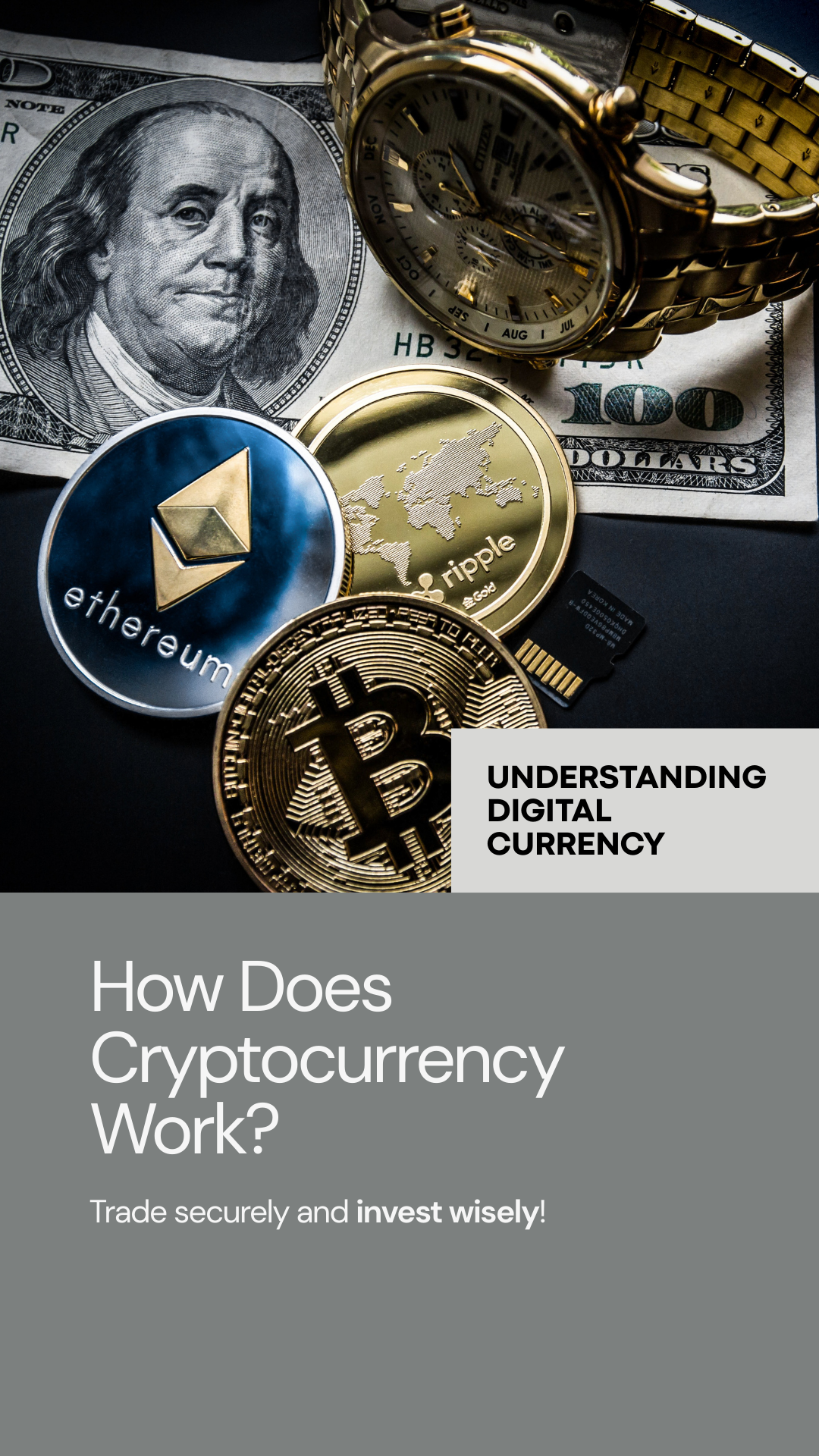
- Cryptocurrencies
- International indices
This level of access was difficult a decade ago and often required multiple brokerage accounts or intermediaries. CFDs simplify global market participation, making them an attractive option for regional investors.
Flexibility to Trade Rising and Falling Markets
Traditional investing generally focuses on buying assets and waiting for them to appreciate. CFD trading, however, allows traders to “go long” (buy) or “go short” (sell), offering opportunities regardless of market direction.
Given the global economic fluctuations of recent years, Middle Eastern investors appreciate:
- The ability to hedge portfolios
- Opportunities during market downturns
- More dynamic trading strategies
This flexibility is especially appealing in a region with high interest in commodities and forex, where prices can shift rapidly.
Lower Capital Requirements Compared to Traditional Investments
CFD trading often requires significantly less capital than buying physical shares or commodities. The availability of leverage, when used responsibly, allows investors to open larger positions with smaller upfront capital.
Although leverage increases both risk and potential reward, it remains one of the reasons CFDs attract new traders in the region. It lowers the barrier to entry and enables individuals to access global markets without large investments.
Strong Interest in Gold, Oil, and Forex Trading
Middle Eastern investors have historically favoured commodities and currency trading. CFDs make participation in these markets faster and more accessible.
For example:
- Gold remains a preferred safe-haven asset
- Oil is deeply tied to regional economies
- Forex trading is popular due to global currency movements
CFDs provide access to these markets without needing physical asset ownership or large institutional accounts.
Growing Financial Awareness and Investment Culture
The region has experienced a noticeable increase in financial literacy initiatives, government-led investment programmes, and entrepreneurial activity. Younger generations are particularly keen on diversified investments and alternative financial instruments.
This shift has encouraged greater awareness of:
- Global markets
- Risk management
- Investment apps
- Trading education resources
With more learning tools and accessible platforms available, CFD trading has naturally risen in popularity.
Availability of Regulated Brokers
Many respected, regulated online brokerages now operate in the Middle East, offering secure trading environments and compliance with local laws. This has increased trust and encouraged more people to explore CFDs as a legitimate investment option.
Regulation and consumer protection frameworks have been strengthened in countries such as the UAE, Saudi Arabia, and Qatar, contributing to safer trading environments.
If you want to kickstart your CFD trading journey, choosing the right broker is a must. Orient Finance is one of the leading trading brokers in Dubai and the surrounding regions. You can open a trading account with us in just a few minutes and tap into our resources to learn more about strategies that can help you invest in CFDs.